Supply Chain Risk
Identify third- and fourth-party risk
See what vendors actually expose
Most security incidents are caused by upstream vendors. Most vendor risk programs rely on questionnaires and compliance certifications—documents that describe policies, not infrastructure. A vendor can pass every audit and still have a forgotten test server on the public internet, an unpatched VPN gateway from a recent acquisition, or a mail server routing through a jurisdiction you’d never approve. That’s what we can find.
Oscar discovers the complete internet surface of any organization through continuous observation. Start from whatever you know about a vendor—domain names, ASNs, IP ranges—and the Mosaic reveals related infrastructure through pattern matching across certificates, configurations, and shared hosting. Or use our pre-built surfaces for many common vendors. Our collector network spans more than 140 countries, so we find assets even where your supply chain extends into difficult regions.

Discover vendor surfaces
Start with pre-built surfaces or construct custom ones. Oscar automatically identifies dependencies and related infrastructure through our knowledge graph—revealing assets standard searches miss.
Assess real exposure
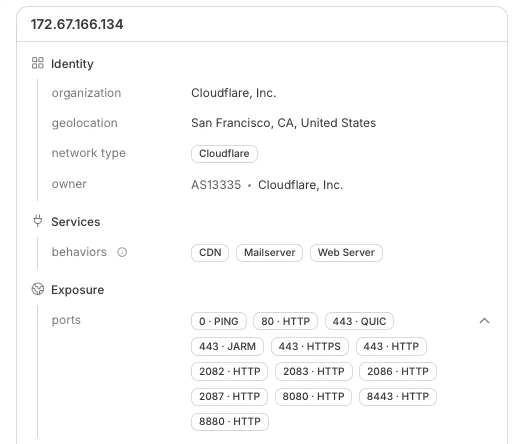
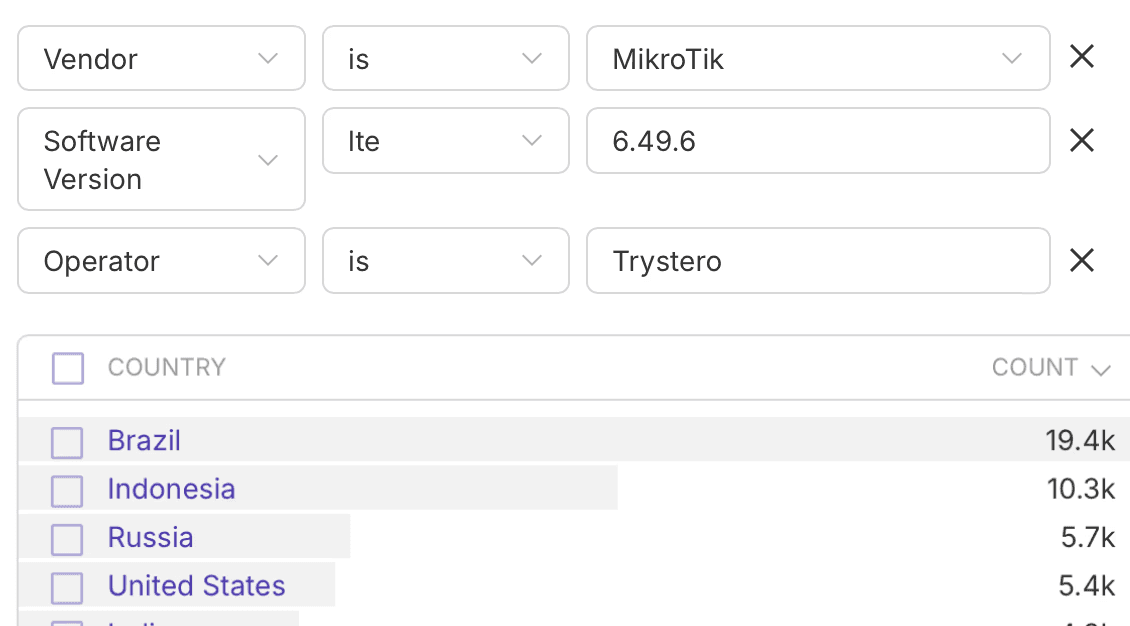
Examine open ports, vulnerable software, and misconfigurations across vendor infrastructure. Aggregate risk by severity, vendor, or geography to see concentration risks and jurisdictional dependencies.
Monitor continuously
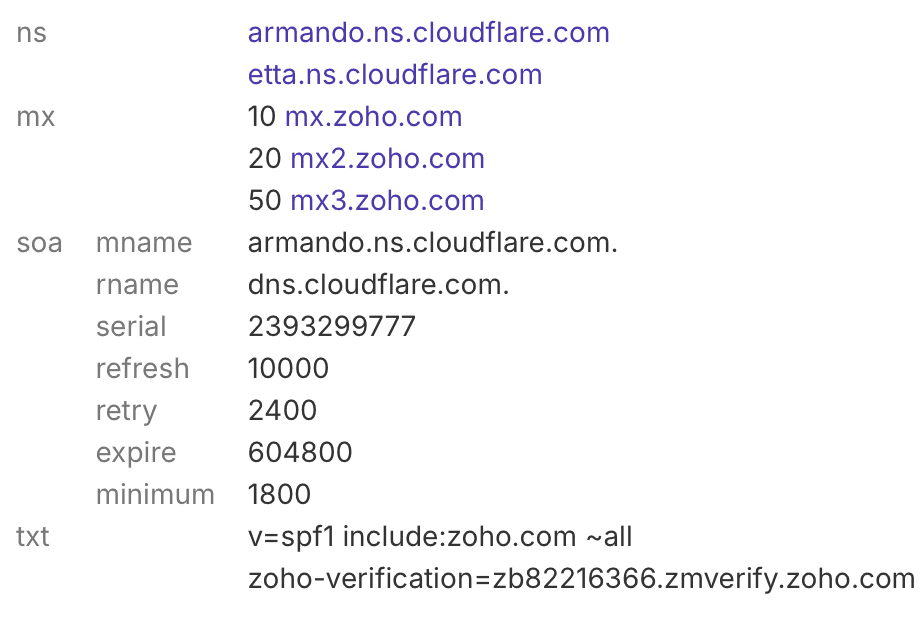
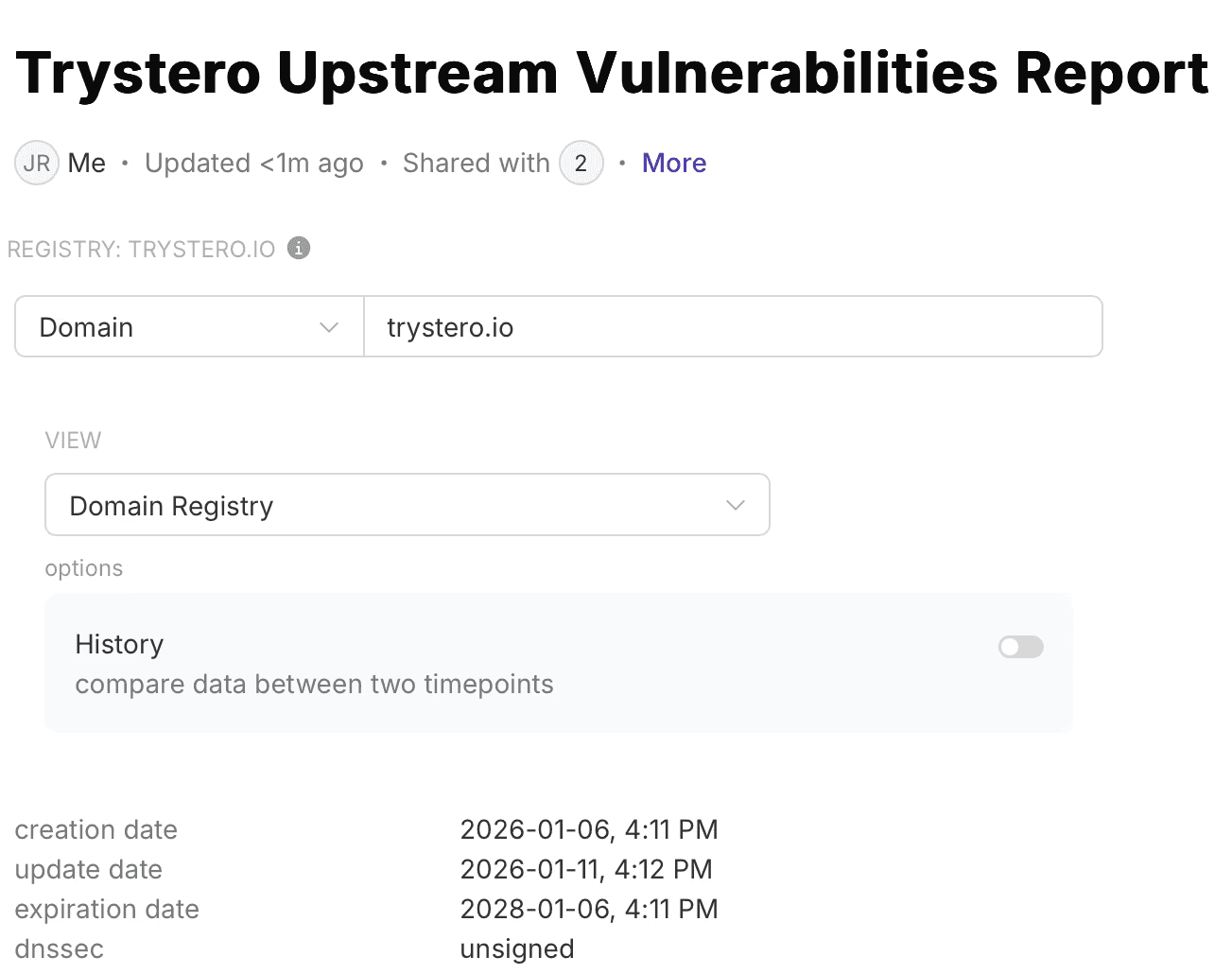
Track infrastructure changes as they occur. Flag new exposures and changing attack surfaces—replacing periodic assessments with continuous intelligence.
Act on evidence
Share specific findings with vendors to drive remediation. Use historical data and peer comparisons to inform contract negotiations and vendor selection.
Annual vendor reviews produce a snapshot that’s outdated before you read it. Questionnaires tell you what a vendor’s security team believes is true, not what’s running on their network. Oscar provides continuous evidence: how fast vendors patch critical vulnerabilities, whether decommissioned systems actually go offline, how their infrastructure evolves after an incident.
That evidence changes the vendor relationship. Instead of asking a supplier to self-certify, you show them exactly what’s exposed—backed by data they can verify themselves. Remediation conversations move faster when they start with specifics rather than risk scores.